
Originally published April 9, 2025. Updated October 11, 2026 to reflect where Guts Glory Games is headed.
So here we are.
Guts Glory Games is an indie studio run by exactly one human, fueled by code, sarcasm, and the stubborn belief that games should be worth playing—not just worth monetizing.
I didn’t start this to chase an acquisition or build an impressive slide deck. I started it because I wanted to make games with personality, take creative risks, and own the decisions that make them work (or spectacularly fail).
No boardroom required. The bugs have already formed a committee.
The original plan: make a game
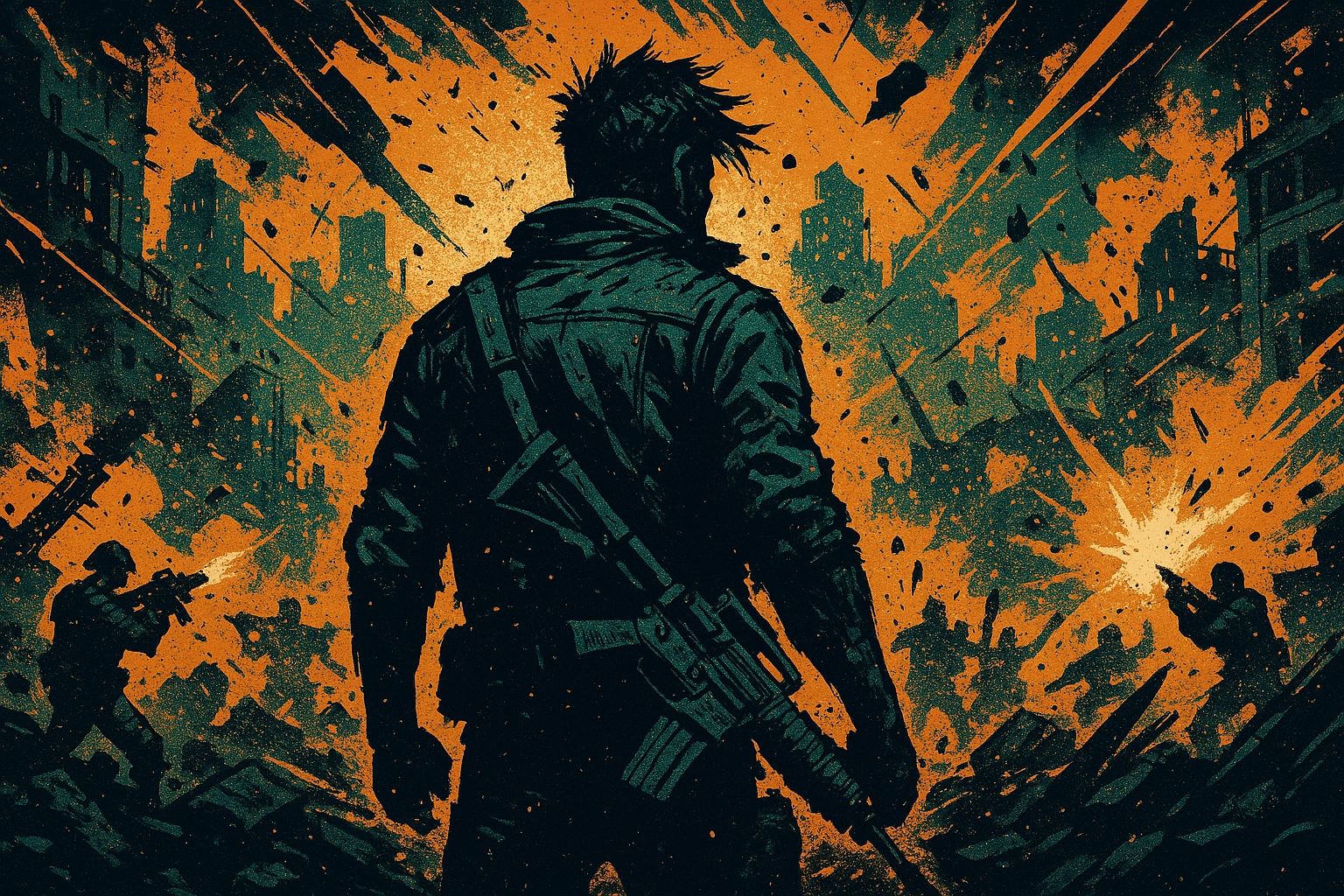
When I launched GGG, I was exploring an action-heavy, procedurally generated shooter: fast movement, unpredictable levels, gear worth chasing, and a world with more attitude than restraint.
I still like that idea. But while prototyping it, I kept running into the same problem: before I could build the game, I needed to build the systems behind it. Items. Inventory. Equipment. Interactions. Character control. Combat. Each one needed to work on its own, and all of them eventually needed to work together.
I could have thrown everything into one giant controller and called it progress. That tends to go beautifully right up until you need to change something.
So the plan evolved.
Build the tools. Then put them through hell.
GGG now develops modular Unity systems alongside its game ambitions. The goal isn’t another enormous framework that dictates how your entire project must work. It’s a set of focused tools that developers can adopt individually and integrate as needed.
Our first approved modules are Inventory and Equipment. The broader roadmap includes integrations between modules and foundational systems such as character movement, interactions, and combat. Not all of those are released yet, and we’re not pretending otherwise.
What matters is the approach:
- One job per module. Inventory manages inventory. Equipment manages equipment. Neither should need a combat system just to exist.
- Optional integrations. Connecting two systems shouldn’t mean fusing them into one inseparable blob.
- Clear APIs and examples. Developers should be able to inspect what they’re buying and understand how to use it.
- Real-game validation. Eventually we’ll build a game with these tools and find out which ideas survive actual use.
That last point is important. A system can look brilliant in a demo scene and become a nightmare in a real project. I’d rather discover that myself before someone else pays to discover it for me.
So, are we still making games?
Absolutely. The game’s just not the first domino anymore.
Once the foundation is mature enough, I want to build a game publicly using the GGG modules. The goal is a project that demonstrates how the pieces fit together—and, eventually, reusable templates built from the same systems.
The exact game and its features aren’t locked in. That’s deliberate. I’m not going to sell a roadmap as a promise, then act surprised when reality shows up with a crowbar.
Why I’m doing this
I still believe games should have a soul. That hasn’t changed. What has changed is my understanding of the work required to make the kind of game I want—and the opportunity to make that work useful to other developers along the way.
This is also a solo operation. That means progress won’t always be fast, and I won’t publish something every Tuesday merely because the calendar is feeling needy. Expect updates when there’s something meaningful to show: an architectural decision, a finished module, a release, a tutorial, or a hard-earned lesson.
Some days it’ll be elegant engineering. Other days it’ll be three hours spent finding a missing Unity reference and questioning every life choice that led here.
Both are part of the job.
The road ahead
If you’re here to follow the games, you’re still in the right place. If you’re building games yourself, you can explore our Unity assets and browse the public API reference before deciding whether they belong in your project.
The mission is the same as it was on day one: make something worth a damn.
We’re just building the foundation first.
— Guts Glory Games